A Very Merry Christmas to all my New Friends
OFF TOPIC discussions
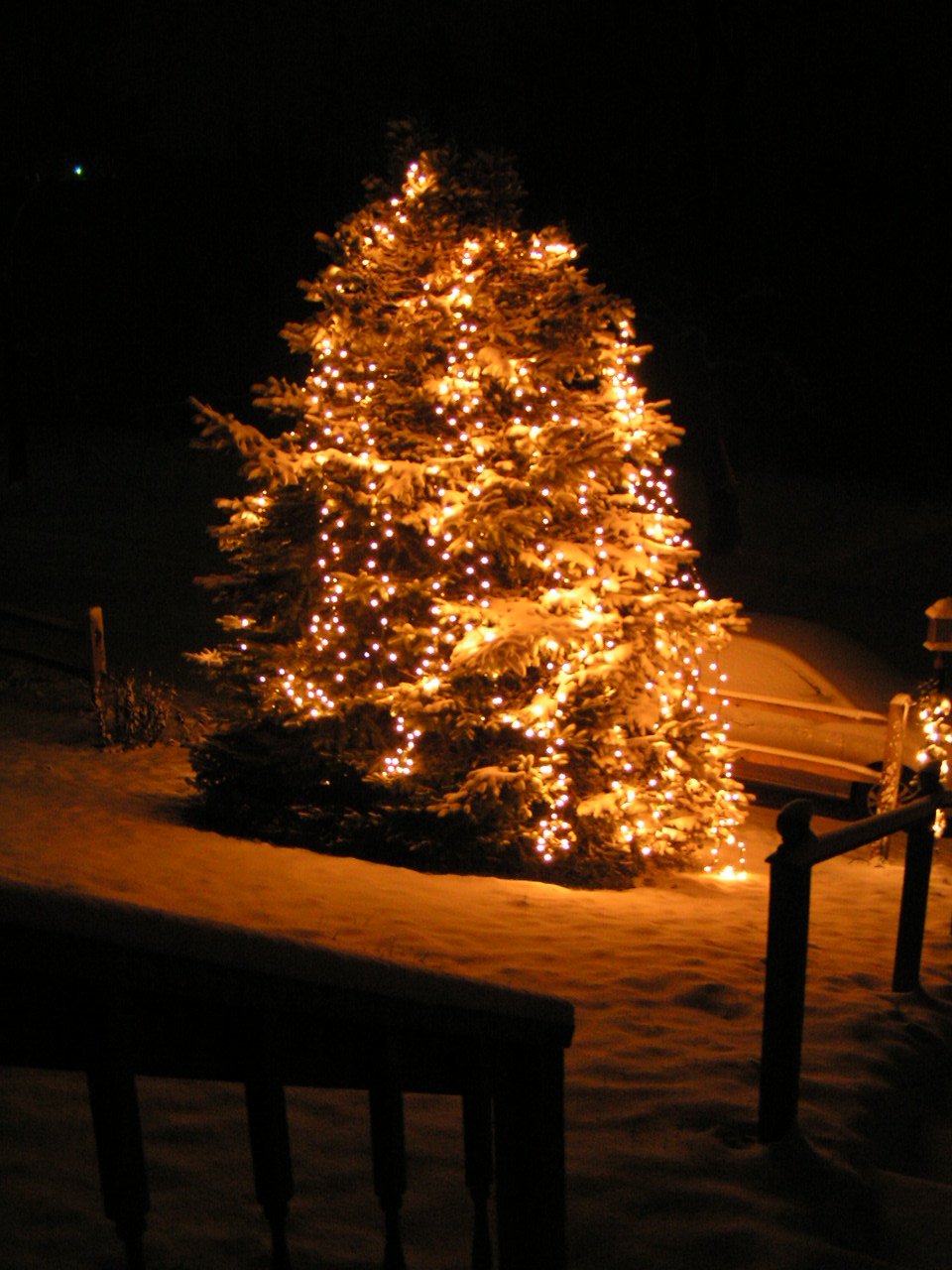
Hudson shows up well in the snow! Good looking dog!
Season's Greetings and Best Wishes for a Merry Christmas and Great New Year to our friends here at FOTMD from a windy and snowy northwest Pennsylvania.

Michael Vickey and Hudson
Merry Christmas to everyone at FOTMD. Ditto here on what you said Randy. A lot of good people and even better, we're friends. Happy New Year...
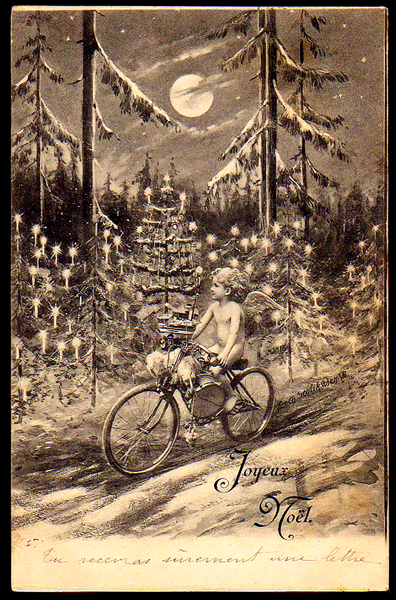
Happy holidays and a joyful new year to all - What a wonderful group of people!
Hey - I really liked that!!!!
Robin
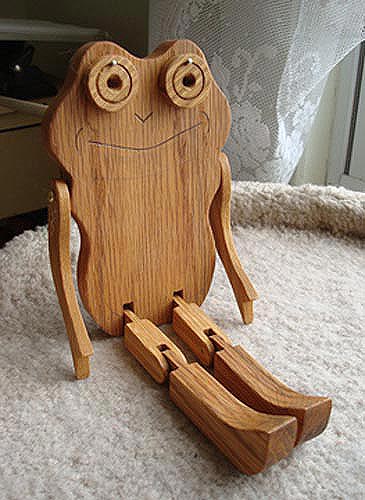
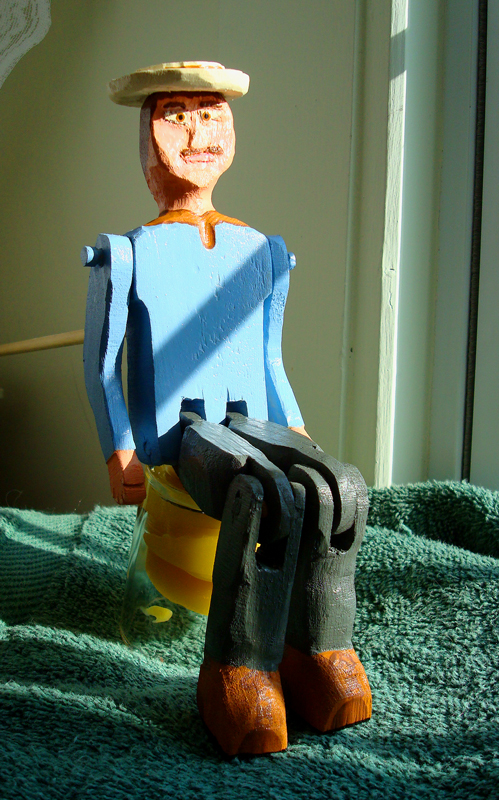
that was soooo awesome-thanks so much for posting-Those were great looking Limberjacks--weren't they?
-Was that a Hurdie Gurdie that guy was playing?
Haven't had too much to practice myself-all my extra practice time has gone to my dulcimette --but looking foward to a little extra time for Lilly to strut her stuff.
Keltia, try thinking of the bowed psaltery more like a piano rather than a dulcimer.
You pick a range of the piano keys you want on your psaltery- usually between 1 and 3 octaves somewhere. Then you will have all the notes within that range. There is one string for every note. Each string will only play its one note- just like on a piano.
On a dulcimer or guitar, each string plays many notes through fretting it- therefore you can choose 'tunings' based on the kind of fingerings you are going to use.
a draw showing what note is what string could be fine.
Here are a few different tuning charts. Your string notes really depend on what high/low range you would like, on the size of the psaltery in terms of string length, and on how many strings you want:
http://www.juneappledulcimers.com/pages/BowedPsalteryTuningChart/
http://www.apsimplepsaltery.com/tuning_scheme.JPG
http://i153.photobucket.com/albums/s225/nigelum/Hodge-Podge/Psaltery_tuning_chart_resized.jpg
http://tuckasee.com/howto1.jpg
http://www.dulcimershofar.com/skin1/images/psal_notes.gif
As you can see there is no one correct way to tune a bowed psaltery, as they are all different depending on what strings they have.
A 25 string tenor like you show would be a nice typical psaltery. 25 or 32 strings or so, you'd be able to play various types of music on it. I would suggest you get at least 1 1/2 octaves to start with.
Keltia said:
Well, true... XD
My questions are about the whole....
1 - strings name/tuning?
2 - specific stuff to do/not do with (to know) ?
3 - hows big is the difference between one from a luthier & one from industry for that instrument (Indeed i wonder for that one) I'd like to hear both & see the differencies but I can dream about...
4 - Where to find tabs about ?
I think those questions are the common ones for any instr. heh Quite normal when yr pretty new at a new instrument... But I thought it was a thread about bowed psaltery but sure as I said: I'll dig more that
psaltery website later.
Keltia, yes your questions are normal for any new instrument, but they require a lot of in depth answers that could easily take days of typing. Donna suggests correctly that all this information is already there for the reading on her site totally dedicated to bowed psalteries- no need to try to explain everything about BP's here. This is a good place for discussing a few specific questions and for having fun comparing our BP experiences here, from the standpoint of being mountain dulcimer players. I do recommend that anyone who wants to learn about bowed psalteries in an in depth way would do well to look at Donna's comprehensive site http://psalterystrings.com/ .
But to try to address some aspects of your questions:
1 - strings name/tuning?
Psalteries can have varying numbers of strings, all tuned to various notes. Mine has 32 strings and is approximately 2 1/2 octaves. Basically, there is a string for every note. I won't name all 32 notes/strings on my psaltery here, but if you like I can point out an online chart for tuning a 32 string psaltery. You do not fret any strings to make notes, you just bow each open string. There are some people who use specific 'tunings' to achieve effects that are not the norm, but mostly the strings are not tuned in 'tunings'- they are just an array of notes (whole and half steps) going up the scale.
2 - specific stuff to do/not do with (to know) ?
To do : practice a lot, concentrate of getting a smooth sound from your bow and a light touch. learn a simple melody line.
Not to do : saw away on it roughly with a heavy hand which produces unfortunate sounds. Be impatient. Try to play 1-3-5 chords.
Not really sure what you mean by this question, but tried my best to answer it. If I'm missing what you meant by your question, please specify and clarify further what you are wanting to know.
3 - hows big is the difference between one from a luthier & one from industry for that instrument (Indeed i wonder for that one) I'd like to hear both & see the differencies but I can dream about...
On Donna's site there are quite a few descriptions and comparisons from various people owning psalteries amde by different people. She also lists some of the makers on the left column of her site, you can look at their sites and what they offer- most of them make nice psalteries that are good quality. Many of their sites offer photos and sound clips. Donna's site also has LOTS of videos of people playing thier psalteries, and you can watch and compare them.
Much depends on how many strings you want - that largely determines what size psaltery you would like to buy. Some are very small with less than a dozen strings- others have over 30 strings. Some have a high sound, some have longer strings and a lower sound. If you want to play very simple tunes then a smaller one with fewer strings might be fun to try. There is no one single type that is best for all people- just like with mountain dulcimers, a lot depends on what kind of music you are wanting to play- knowing that can help others make recommendations. Naturally larger psalteries with many strings are more expensive than small psalteries with only one octave of strings or less.
4 - Where to find tabs about ?
There are some tabs on Donna's site that you can find (Donna can point you to them perhaps).
But TAB is not as useful or applicable for bowed psalteries as it is for mountain dulcimers. Why?- because there is no fingering/fretting involved . No fingering positions to indicate, so basically any tab for the bowed psaltery consists mostly of just indicating which strings to play for each note in the melody. In a way, I feel it's just easier to pick out a simple tune by ear and practice playing it until you 'know' the tune on the psaltery. Once you can play one very simple tune, you can build on that and slowly play other tunes and get better.
In my view, TABs are mostly useful for instruments with fingerings and fingered fretted notes and chords - like mountain dulcimers, guitars, banjos, etc. Otherwise, you can simply use standard notation or else just learn the tune by ear. Start simple .
Hope this helps?
Keltia, from what I see of your abilities with other instruments I do not think that the psaltery would offer any problems to you. As Strumelia says above, ask away here, I am sure you will be answered.
JohnH
Keltia said:
I was closed to get one the last time I went to Brittany.... beautiful instrument but still, I wonder about tabs, strings, tuning, etc...
Hi Sue, where did you try one? Do you know who the builder was?
Sue Simms said:I had the opportunity to play one last week ! so beautiful , I will check out Tish's site.
Sue, be sure to join http://psalterystrings.ning.com/ ....where you can drool over b.psalteries to your heart's content!OMG , The Bowed Saltery is such a Beautiful Instrumment. I had the oppertunity to play one last week and Just fell in love with it ! Just a beautiful sound and now I want a new toy ! Maybe Christmas

 I picked it up a couple of nights ago, dreading how i might sound. But NO!- after about five minutes of shaking out the cobwebs, I was almost back where I had left off. What a kind and forgiving instrument it was!I happily played my favorite practice tunes for an hour, and I seem to have wound up pretty much back where I was again. What a relief. Now hopefully I can get back into more regular practice.
Ooooh, I would love that too! Your psaltery is very very beautiful!Have you ever been able to see or try a 3 octave psaltery? Are they around? Are they too awkward to play?I feel truely blessed to be able to get together almost every Wednesday & play music with my other psaltery friends.