How do I create a new forum discussion?
Site QUESTIONS ? How do I...?
@Rachel, I'll do my best to respond here, but for the most part, I think you got it. And I certainly appreciate you making the effort to learn how the site is organized rather than just posting willy nilly all over the place. Thank you! 
Groups, as you say, pertain to specific interests. Importantly, you have to join a group to see all the posts. There is no cost to join nor a vetting process, but the idea is that group conversations are more intimate in that they only involve those with that special interest.
Forums are available to all members of FOTMD and address more general issues than those handled in Groups.
Inside a given Forum and inside a given Group are Discussions on specific topics. In either a Group or a Forum, if you find a Discussion on a topic you wish to engage in, you can post in that Discussion thread. If you look around and there is no Discussion on a topic you wish to talk about, you can create a new one.
In fact, this Discussion thread is specifically about how to create a new Discussion in a Forum, so if you scroll to the beginning you will see efforts by Strumelia and me to answer that question.
Admittedly, there is some overlap between the Forums and the Groups. Beginner questions, for example, seem to pop up everywhere. But in general, keeping things organized with clear titles for Discussion topics organized in the appropriate Group or Forum makes it easy to find old conversations. When I first joined as a beginner, I had dozens of questions, but most of them had already been asked and answered in Forums or Groups, so scrolling around the site allowed me to find those answers right away rather than post a question and then wait for someone to read my post and answer.
I will also admit that some of the Groups are pretty quiet. You can see tumbleweed and hear crickets when you pop in there. We could probably weed some out, to be honest, but sometimes all it takes is one person to pose a question or make a comment and activity starts percolating again.




 Cross harp, what a concept! To play straight on the harmonica, your tonic is the 4th hole, but to get those blue notes, your tonic is the 3 hole. I still can't play like Sonny Terry, but I can manage some amateur blues and have fun.
 ) used to tell her to imagine that a delicate egg was under her hand. The hand should be curved to protect the egg while her fingers hit the keys. I think the same principle works on the dulcimer.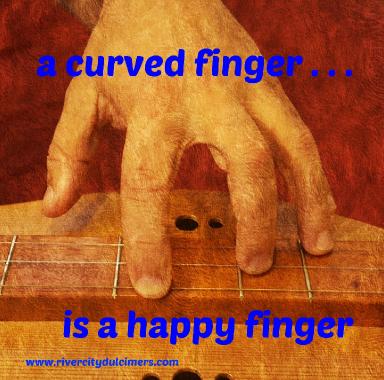
 and losing touch, like
  .
.
 But if you have subscribed to the discussion, then you would get one anyway.