Kantele?
Adventures with 'other' instruments...
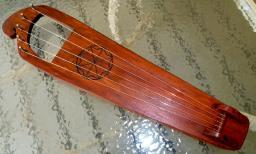
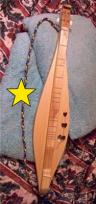
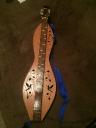
I have had this for many years. When I got it, it was labelled as a Kantele. But now, after a lot of researching, i came to have my doubts since the back is enclosed. Doubts until I saw this:
in the forums here.
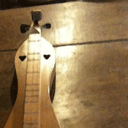
As you can see, she needs a bit of love given to her...
But I have had her since she was playable and the tone was wonderful. After 20 some odd years for the wood to dry and settle even more, I suspect the tone is going to be even better.
There are 15 strings, but I have a place to go to that I can get individual strings, when the time comes. But now, time for some other things, like getting a tuning key. That and a nice sanding down to smooth things out and get rid of the blemishing.
I have originally been thinking of a black finish along the lines of the East German zithers of the late 50's and early 60's. But on further consideration, something natural seems a better choice. Thoughts?
This also leaves me wondering just what finish to use. Again, thoughts please?
I am no rookie when it comes to wood and working with it. Many moons ago, I was a cabinetmaker building specialized bookcases (specialized to fit a certain size of books). But this is a LONG ways from the kind of finishing that would be given to a fine instrument. I have already ruined a guitar with (I spit) polyurethane once. Long ago, but never forgotten.
This is something that is going to span some time, I know this and look forward to bringing this instrument back to health and play-ability. Labor of true love here! 
Any ideas?
Suggestions?
Things TO do?
Things to AVOID like the plague?
updated by @ferrator: 10/27/19 12:02:25PM