Dulcimer tuning problem
Instruments- discuss specific features, luthiers, instrument problems & questions
Two possibilities given your new information.
1. (Less Likely) This would have been early in Warren May's dulcimer building career. He may have been in the early stages of getting proper intonation, something he improved with more time and experience. In other words, he may have misplaced the frets enough to be noticable.
2. (More Likely) Warren does make dulcimers with just intonation. Since you said the chords didn't sound right, that sounds like the dulcimer may have been built with just intonation. Just intonation is going to sound really good with the drones, but not so good if you are trying to make chords. The frets have been positioned to blend with the drones, not for making chords. Traditionally, dulcimers were built with just intonation out of necessity since the frets extended only under the melody string(s), you couldn't play chords. When builders made the switch to full-width frets, chords became possible and some builders adjusted their fret placement to accommodate chord playing.
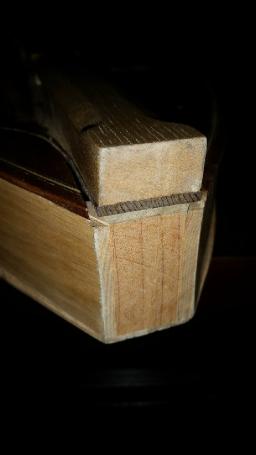
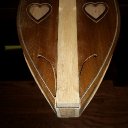
And I wouldn't worry about the felt or foam on the tail end. It's there to protect the tail end of the dulcimer and to prevent the strings from digging into the wood. As long as its not under the vibrating section of the string it shouldn't cause a problem. Many dulcimer builders put some felt, leather, etc. between the strings and the tail end of the dulcimer. You can remove it if it annoys you, but it probably has nothing to do with your intonation problems.












 That's why they didn't turn up in any searches of this site.